
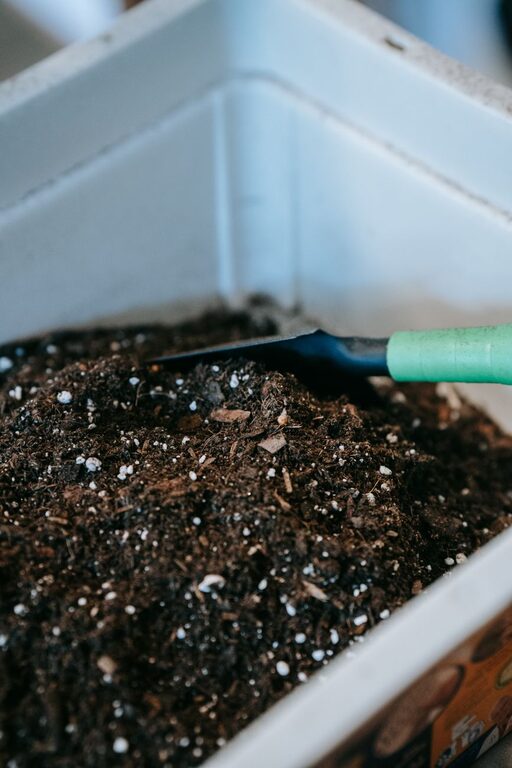
Beginner Tips for Composting at Home: Easy Steps to Get Started
Starting a compost bin at home is a fantastic way to reduce waste, enrich your garden soil, and contribute to a more sustainable lifestyle. If you’re new to composting, the process might seem overwhelming at first. But with a few easy tips and some patience, you can create your own compost and enjoy the many benefits it offers. This guide covers everything beginners need to know to get started composting at home.
What is Composting?
Composting is the natural process of recycling organic materials like food scraps and yard waste into a rich, dark soil amendment called compost. This compost can be used to improve soil fertility, texture, and moisture retention in your garden. Instead of sending your waste to a landfill, composting helps return nutrients to the earth.
Why Compost at Home?
– Reduces landfill waste: Composting keeps food scraps and yard trimmings out of landfills, reducing methane emissions.
– Improves soil health: Compost adds essential nutrients and beneficial microbes to your soil.
– Saves money: Using your own compost reduces the need to buy commercial fertilizers.
– Supports plant growth: Plants grown in compost-enriched soil often produce higher yields and are more resilient.
Getting Started with Home Composting
1. Choose a Composting Method
There are several composting methods suitable for beginners:
– Backyard compost bin: A simple bin or pile in your yard where you add organic materials.
– Tumbler compost bin: A rotating bin that speeds up composting by mixing the contents regularly.
– Vermicomposting: Using worms to break down food scraps indoors, ideal for small spaces.
– Bokashi: A fermentation method using special bran to break down kitchen waste quickly.
For most beginners with outdoor space, a basic backyard compost bin or tumbler is the easiest way to start.
2. Select a Compost Bin Location
Pick a spot in your yard that is:
– Well-drained and not prone to flooding
– Shaded or partly shaded to maintain moisture
– Easily accessible for adding materials and turning the pile
3. Know What to Compost
Compostable materials are generally divided into “greens” and “browns.”
– Greens: Nitrogen-rich items such as fruit and vegetable scraps, coffee grounds, grass clippings, and fresh plant trimmings.
– Browns: Carbon-rich materials like dry leaves, straw, paper, cardboard, and small branches.
Avoid composting: Meat, dairy, oily foods, pet waste, and diseased plants as they can attract pests or cause odors.
4. Balance Greens and Browns
A good compost pile requires roughly a 2:1 ratio of browns to greens by volume. This balance helps maintain the right moisture and aeration levels:
– Too many greens can cause a smelly, soggy pile.
– Too many browns slow down decomposition.
5. Prepare Your Materials
– Chop or shred larger items to speed up decomposition.
– Keep the compost pile moist, like a wrung-out sponge, but not soaking wet.
– Avoid adding too much of one type of material at once.
6. Build and Maintain Your Compost Pile
#### Step-by-step process:
- Start with a layer of coarse browns such as small branches or straw to promote airflow.
- Add alternating layers of greens and browns.
- Keep the pile moist and aerated by turning it with a pitchfork or compost aerator every 1-2 weeks.
- Monitor temperature if possible; a hot pile (between 130°F – 160°F) indicates active decomposition.
- Add water during dry spells and cover during heavy rain to prevent oversaturation.
7. Troubleshooting Common Composting Issues
– Foul odor: Usually caused by too much moisture or too many greens; turn the pile and add more browns.
– Pile not heating up: May need more greens, moisture, or turning to increase airflow.
– Compost too dry: Add water and more greens.
– Pests: Avoid meat and oily foods; keep the pile covered and bury fresh food scraps.
8. When is Compost Ready?
Compost is ready when it looks dark brown, crumbly, and smells earthy. This usually takes anywhere from 2 months to a year depending on conditions and materials.
9. Using Your Compost
– Mix finished compost into garden beds to boost soil nutrition.
– Use as mulch around plants to retain moisture and suppress weeds.
– Add to potting mixes to help houseplants thrive.
Bonus Tips for Beginner Composters
– Start small and gradually increase your composting efforts.
– Use a kitchen compost bin to collect scraps daily, making it easier to add them to your outdoor pile.
– Consider worm composting if you have limited outdoor space.
– Stay patient—composting is a natural process that takes time.
Conclusion
Composting at home is an easy, rewarding way to reduce waste and grow healthier plants. By following these simple beginner tips, you can set up a successful compost system and watch your organic waste transform into black gold for your garden. Start small, be consistent, and enjoy the benefits of sustainable gardening!
—
Composting is not only good for your garden but also for the environment. With these beginner-friendly tips, you’ll be on your way to creating nutrient-rich soil that supports thriving plants and a greener planet. Happy composting!
