
Practical Ways to Reduce Food Waste at Home
Reducing food waste at home is not only good for your wallet but also benefits the environment by conserving resources and reducing greenhouse gas emissions. With some planning and conscious habits, anyone can make a positive impact. In this article, we’ll explore practical and easy ways to cut down on food waste in your household.
Why Reducing Food Waste Matters
Before diving into tips, it’s helpful to understand why food waste is a problem:
– Environmental impact: Wasted food consumes water, energy, and land unnecessarily, contributing to pollution.
– Economic loss: Throwing away edible food means wasted money.
– Ethical concerns: Many people worldwide face food insecurity. Wasting food overlooks its value.
By adopting mindful practices, you can contribute to a more sustainable lifestyle.
Plan Your Meals and Shopping
Create a Weekly Meal Plan
Planning meals ahead is one of the most effective ways to reduce food waste. When you know exactly what you will cook, you can purchase only the required ingredients.
– Write down your meal ideas for the week.
– Check your pantry and fridge to use items you already have.
– Consider making meals that use similar ingredients to avoid leftovers going bad.
Make a Detailed Shopping List
Before heading to the store:
– List needed items based on your meal plan.
– Stick to the list to avoid impulse buys.
– Avoid buying large quantities of perishable items unless you’re sure you’ll use them quickly.
Store Food Properly
Proper storage extends the life of your groceries and keeps food fresh longer.
Understand Your Refrigerator Zones
– Store raw meats on the bottom shelf to avoid drips.
– Keep fruits and vegetables in separate drawers designed to maintain optimal humidity.
– Use clear containers so you can see what’s inside.
Use Airtight Containers and Wraps
– Transfer opened packages into airtight containers or resealable bags.
– Wrap leafy greens and herbs in damp paper towels before refrigeration to keep them fresh.
Freeze Extra Food
If you cook in bulk or have perishable foods nearing their expiration:
– Freeze leftovers in portions for easy future meals.
– Freeze bread, chopped vegetables, or fruits to prevent spoilage.
– Label freezer bags with dates to keep track.
Practice Smart Cooking and Portioning
Cook Appropriate Portions
Avoid over-preparing meals by:
– Checking serving sizes on recipes.
– Using smaller pots or pans.
– Serving smaller portions and offering seconds if still hungry.
Use Leftovers Creatively
Leftovers don’t have to be boring. Transform them into new dishes:
– Turn roasted vegetables into soups or frittatas.
– Use stale bread for croutons or bread pudding.
– Mix leftover rice and veggies into stir-fries or fried rice.
Monitor Expiration Dates and Use Sensory Checks
Understand Date Labels
Labels like “best before,” “sell by,” and “use by” can be confusing.
– “Best before” indicates quality; food may still be safe after this date.
– “Use by” is about safety; avoid eating food past this date.
– Use your senses—look, smell, and taste—to determine if food has spoiled.
Organize Your Pantry and Fridge
– Place older items at the front so they get used first.
– Regularly check for items nearing expiration and plan to use them soon.
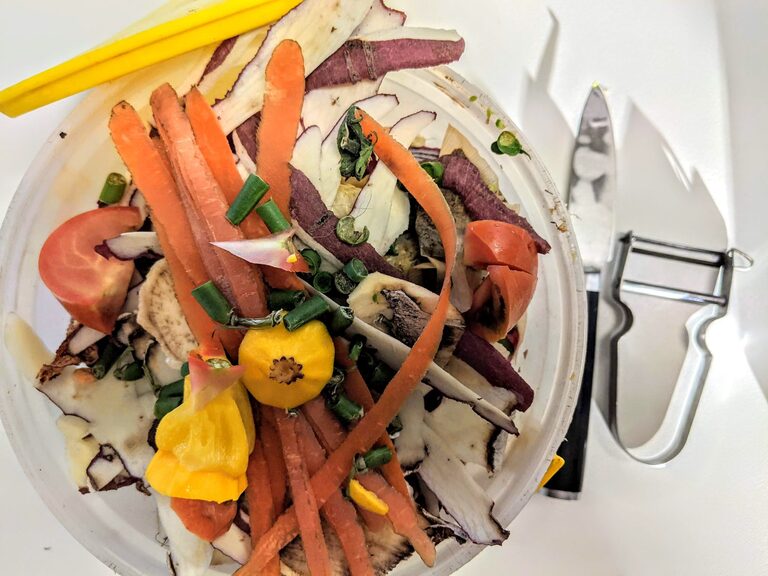
Compost Food Scraps
Even with efforts to minimize waste, some food scraps are unavoidable. Composting is a great way to recycle organic waste and enrich your garden soil.
– Collect fruit and vegetable peels, coffee grounds, eggshells, and other compostable items.
– Avoid composting meat or dairy products that attract pests.
– Use a compost bin or pile in a designated outdoor area.
Educate Household Members
Reducing food waste is a team effort. Share these tips with family members or housemates to encourage mindful habits.
– Discuss meal preferences to avoid unwanted food.
– Teach kids about the importance of wasting less.
– Share leftover meals together to minimize waste.
Summary: Small Changes, Big Impact
Cutting down on food waste doesn’t require drastic changes. By meal planning, buying thoughtfully, storing food correctly, cooking smartly, and using leftovers creatively, you can make a meaningful difference. These actions help save money, support environmental health, and make your kitchen more efficient.
Start with one or two strategies and build from there. Over time, these habits will become second nature and contribute to a more sustainable lifestyle.
